Summary
Chronic recurrent multifocal osteomyelitis (CRMO) is an autoinflammatory (NOT autoimmune) disorder that mostly affects children. It comprises periodic bone pain, fever, and the appearance of multiple bone lesions that can occur in any skeletal site. The origin of this disease is unclear, but genetics appears to play a role. The clinical and radiological features on the disease are variable and the diagnosis can be difficult.
Dermatological manifestations may occur and include psoriasis, acne, and pustules on the palms of the hands and soles of the feet. Uveitis, and inflammatory bowel disease have also been described.
Majeed syndrome consists of CRMO and congenital dyserythropoietic aneama, has been reported in families. Te LPIN2 gene appears to play a role in these cases.
Complete Information on this Tumor
Multiple names have used to describe this entity. These include chronic multifocal osteomyelitis, chronic recurrent multifocal osteomyelitis, and SAPHO syndrome (synovitis, acne, pustulosis, hyperostosis, osteitis). The cause of this condition is unknown, despite intensive investigation over a period of more than 30 years. Carefully done culture and tissue sampling on bone lesions in children with this disease, using the best available techniques, have failed to yield any apparent infectious agents. Propriobacterium acnes has been implicated as a cause in some studies. The condition appears to be an autoinflammatory process. Concordance in monozygotic (identical twins), affeted siblings, and evidence linking a mutation of the LPIN2 gene to a similar disease called Majeed syndrome support a genetic cause for this condition. A mutation in the pstpip2 gene ocurs in mice affected with a similar syndrome.
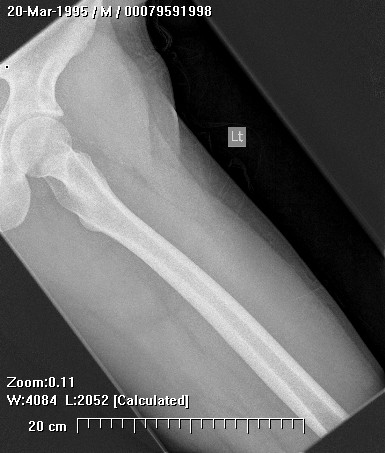
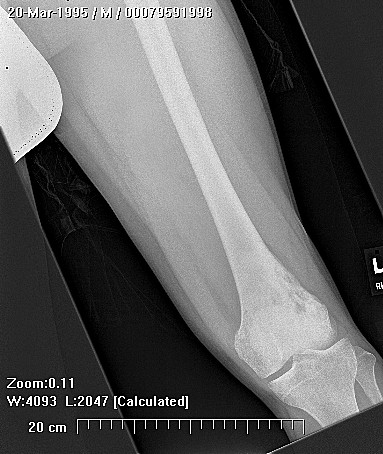
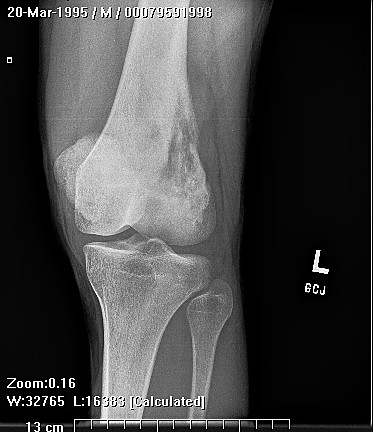
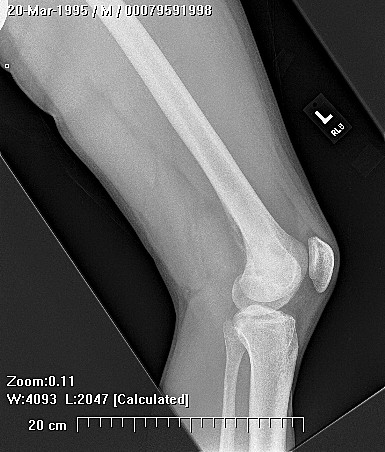
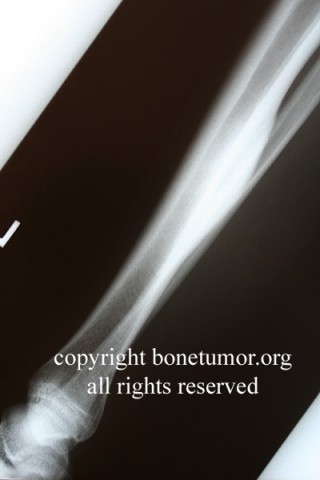
Children present with pain, deep aching pain, limping, and may also present with fever. The metaphyseal area of long bones, the clavicle, and the shoulder girdle are common locations. Other sites such as the spine, ankle, and foot have been reported.
Dermatological manifestations may occur and include psoriasis, acne, and pustules on the palms of the hands and soles of the feet. Uveitis, and inflammatory bowel disease have also been described.
Majeed syndrome consists of CRMO and congenital dyserythropoietic aneama, has been reported in families. Te LPIN2 gene appears to play a role in these cases.
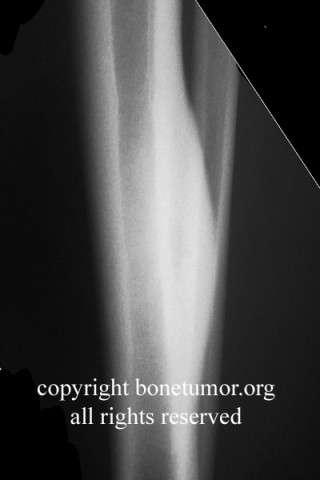
The lesions progress with time, showing sclerosis and hyperostosis. Active lesions may have a onion-skin-like appearance which may mimic Ewing sarcoma or osteosarcoma.
Once the process subsides, the affected bones return to near normal appearance if the child is young enough.
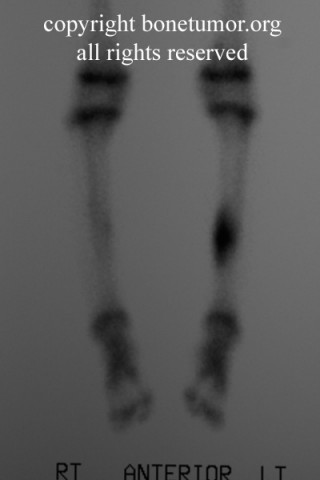
Technetium whole body bone scan is useful for identifying other sites of skeletal involvement. The lesions demonstrate increased uptake on technetium bone scans, even if they are clinicall silent.
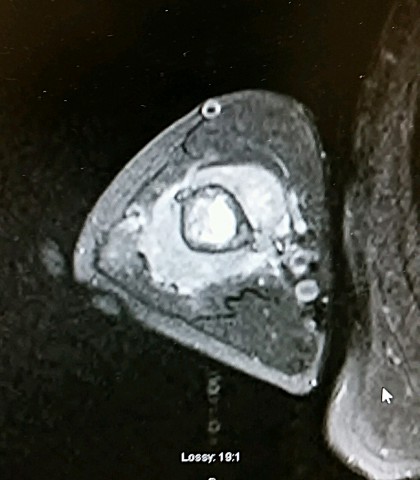
CT scans and MRIs are helpful to delineate the extent of the lesion, but the findings are non-specific and consistent with osteomyelitis. These modalities do not distinguish CRMO from acute bacterial osteomyelitis. MRI is a useful study for evaluating response to treatment and follow-up, since the need for repeated x-rays, bone scans, and CT scans can cause a significant radiation exposure in a child.
The autors of this website have had excellent results with combined medical and surgical treatment of this disease.
Once the diagnosis has been determined, treatment should be consistent with the severity of symptoms. It is the author's opinion that curettage of the endosteal area of the affected bones will shorten the time to recovery. Aggressive surgical treatments, and especially procedures that increase the risk of pathological fracture should be avoided.
Chronic recurrent multifocal osteomyelitis in children
Orphanet (www.orpha.net) March, 2002 accessed December 23, 2004
2)Colleen S. Y. Chun, MD
Chronic Recurrent Multifocal Osteomyelitis of the Spine and Mandible: Case Report and Review of the Literature
PEDIATRICS Vol. 113 No. 4 April 2004, pp. e380-e384
3)Huber AM, Lam PY, Duffy CM, et al.
Chronic recurrent multifocal osteomyelitis: clinical outcomes after more than five years of follow-up.
J Pediatr.2002; 141 :198 -203
4)Manson D, Wilmot DM, King S, Laxer RM.
Physeal involvement in chronic recurrent multifocal osteomyelitis.
Pediatr Radiol.1989; 20 :76 -79
rev: 1/27/2008 HD